The Truth About Lye: Why All Real Soap Is Made With It
If you've ever shopped for natural soap and seen a product labelled "lye-free," you may have assumed it was safer or gentler than soap made with lye. That label is technically impossible and understanding why tells you a lot about what's actually in the products you're putting on your skin.
Here's the truth about lye.
WHAT LYE IS
Lye is an alkali. Specifically, sodium hydroxide is used to make bar soap, and potassium hydroxide is used to make liquid soap. In its raw form, lye is caustic: it can cause serious burns and must be handled with care during the soap-making process.
This is the part that understandably makes people nervous. But the critical detail is what happens next.
SAPONIFICATION: THE REACTION THAT MAKES SOAP
When lye is combined with oils (olive oil, coconut oil, palm oil, canola oil), a chemical reaction called saponification occurs. The lye reacts with the fatty acids in the oils and is completely consumed in the process. What's produced is soap molecules and glycerin. No lye remains in the finished bar.
This is not a partial reaction or a controlled residue situation. A properly made bar of castile soap contains zero lye. The lye is gone. It has become soap.
Without this reaction, without lye, what you have is just oil. You cannot make soap without an alkali. The chemistry doesn't work any other way.
SO WHAT IS "LYE-FREE SOAP"?
Products marketed as "lye-free soap" are one of two things: either they use a pre-made soap base (which was made with lye at an earlier stage in the supply chain, making the "lye-free" label technically true but deliberately misleading), or they're not soap at all: they're synthetic detergents.

Most liquid body washes, shower gels, and foam cleansers sold in pharmacies and supermarkets are detergents, not soaps. They clean using petroleum-derived or vegetable-derived surfactants combined with synthetic preservatives, thickeners, and fragrance. They may work fine, and some are gentle, but they are chemically and structurally different from real soap.
In the United States, "soap" has a specific regulatory meaning: the FDA treats a product as soap only if it's made primarily from the alkali salts of fatty acids, which means it was made with lye reacting with oils. A body wash that doesn't meet that definition is regulated as a cosmetic instead. In Canada, both kinds of cleanser are regulated by Health Canada as cosmetics, so reading the ingredient list is the most reliable way to tell them apart.
WHY THIS MATTERS FOR YOUR SKIN
Real soap and synthetic detergents interact differently with your skin.
Real castile soap, made from plant oils, produces glycerin as a byproduct of saponification. Glycerin is a natural humectant: it draws moisture to the skin and helps it retain hydration. Commercial soap manufacturers typically extract the glycerin from their soap and sell it separately as an ingredient for cosmetics and lotions. Cold-process soap, made the way Mountain Sky has made it since 1993, retains all of its natural glycerin. This is one reason it leaves skin feeling soft rather than tight and dry after washing.
Synthetic detergents are often more aggressive cleansers: effective at removing oil and grime, but also at stripping the skin's natural barrier. People with sensitive, dry, or reactive skin often find that switching from a detergent-based body wash to a real castile soap makes a noticeable difference.
HOW MOUNTAIN SKY MAKES SOAP

Raw lye is caustic, so it is handled with gloves and eye protection. By the time the soap has cured, none of it is left.
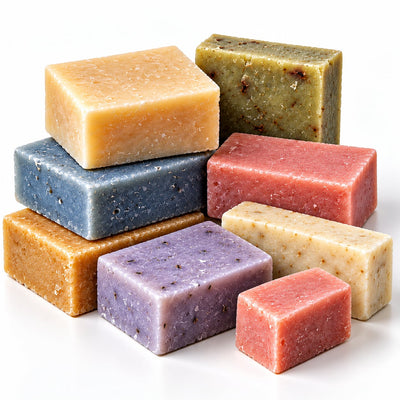
We use the cold-process method. The oils are mixed at a controlled temperature, lye solution is added, and the mixture is combined until it reaches "trace", the point where the mixture thickens as saponification gets under way. The soap is then poured into molds, cut into bars, and cured for four to six weeks.
During curing, the saponification reaction completes fully, any remaining moisture evaporates, and the bar hardens. By the time a Mountain Sky soap bar reaches you, it has been curing for weeks and the transformation from oil and lye to soap is completely finished.
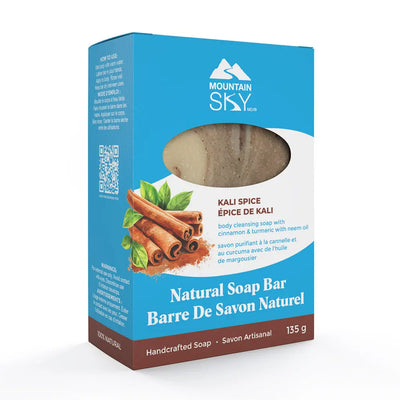
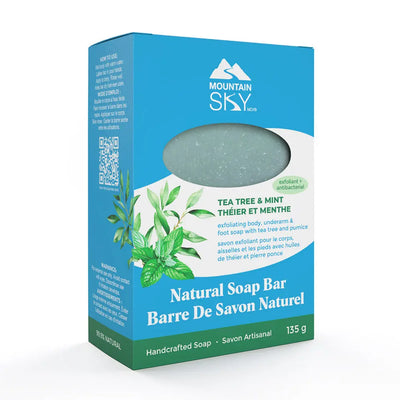
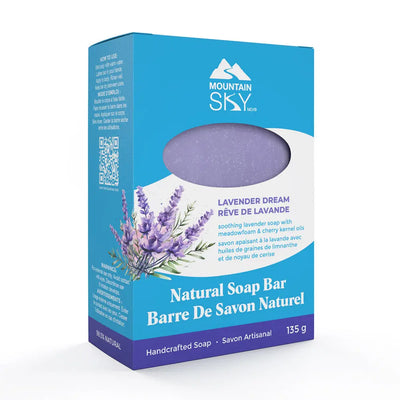
Our ingredient lists are transparent. Our bar soaps list the plant oils they're made from (coconut, palm and canola) alongside sodium hydroxide, the lye that turned them into soap, plus an aroma blend of essential oils and naturally derived aromas. Our liquid castile soaps list potassium cocoate, which is coconut oil already saponified with potassium hydroxide. Either way, the label tells you the product is real soap made with lye, and in a properly made, cured soap that lye has been fully used up.
THE TAKEAWAY
Real soap is made with lye. It has been made with lye for thousands of years, across every culture that developed soap-making. There is no lye in the finished product. The fear around lye is understandable given its caustic nature in raw form, but it's a fear based on a misunderstanding of chemistry.
If you want to know whether a soap is real or a detergent, read the ingredient list. Real soap lists saponified oils, soap names such as sodium cocoate or potassium cocoate, or oils together with sodium or potassium hydroxide. Detergents list surfactants such as sodium lauryl sulfate, cocamidopropyl betaine, and the like.
Mountain Sky makes real soap. It always has.
LYE AND SOAP: COMMON QUESTIONS
What is lye soap?
Lye soap is soap made the traditional way, by reacting oils or fats with lye. The phrase sounds old-fashioned, but every true soap is lye soap, including castile and handmade bar soap. In a properly made and cured bar, the lye has been fully used up in the reaction, so none is left in the soap you use.
Does all soap have lye in it?
All true soap is made with lye, but finished soap doesn't contain it. The lye is consumed as it turns the oils into soap and glycerin. A cleanser that was never made with lye at any stage isn't soap; it's a synthetic detergent.
Is lye a surfactant?
No. Lye is an alkali, not a cleanser. It's the soap that lye creates that acts as the surfactant: soap molecules have one end that grabs oil and dirt and another that mixes with water, which is how they lift grime off skin and rinse it away.
Is lye natural?
Lye has a long natural history. For centuries soapmakers made it from wood ash: soaking ash in water gives potash (potassium carbonate), and adding lime turns that into potassium hydroxide. Today's sodium hydroxide is manufactured from salt water using electricity. So it starts from natural materials, but the lye used in soapmaking now is a manufactured chemical, handled with care and fully reacted before the soap is finished.
Is lye alkaline or acidic?
Lye is strongly alkaline (a base), which is why it's caustic in its raw form. The soap it makes is only mildly alkaline, usually around pH 9 to 10, and contains no free lye once saponification is complete.
Is castile soap made with lye?
Yes. Castile soap is lye soap made from plant oils, traditionally olive oil. Bar castile is made with sodium hydroxide; liquid castile is made with potassium hydroxide, which is why our liquid castile soaps list potassium cocoate (saponified coconut oil). See how to use liquid castile soap for dilutions and everyday uses.
Is lye vegan?
Lye itself is a mineral-based chemical with no animal ingredients. Whether a soap is vegan depends on everything else in it: oils, butters, milk, honey or beeswax. Check the full ingredient list of the specific bar.
Is lye soap safe for your skin?
Properly made, fully cured soap contains no free lye, and people have washed with it for thousands of years. Soap is mildly alkaline, and healthy skin returns to its normal slightly acidic state after rinsing. As with any cleanser, it won't suit everyone; if your skin feels tight after washing, follow with a moisturizer, and if you have a skin condition, ask your doctor or pharmacist what to use.
See how we make our own bars, from mixing to a 4 to 6 week cure, in our natural bar soap guide.